
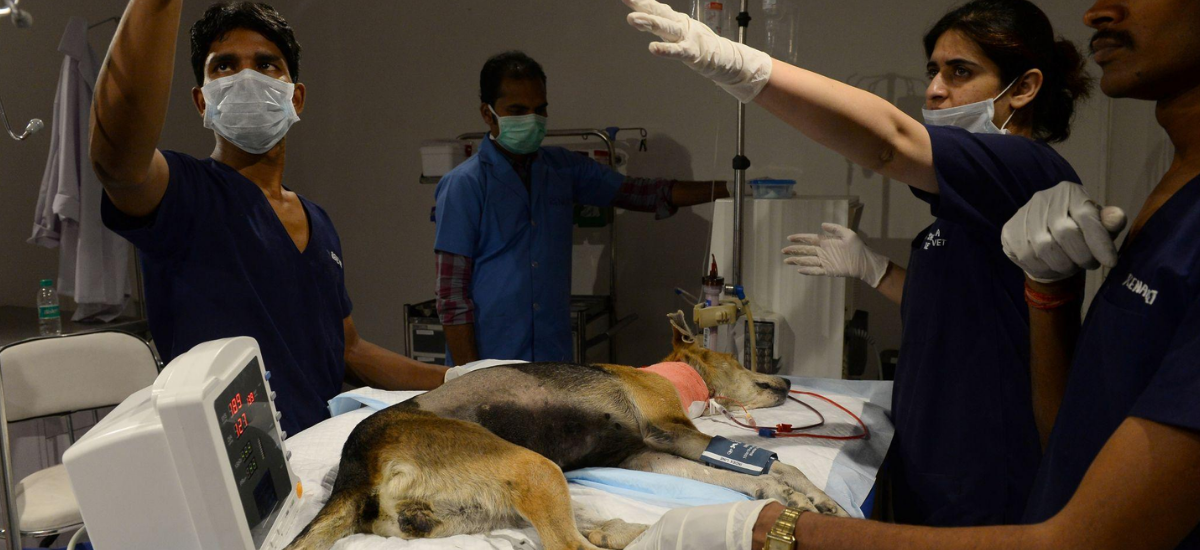
A career in veterinary science is both rewarding and challenging. Veterinarians play a crucial role in animal healthcare, public health, livestock management, and wildlife conservation. With the growing demand for qualified veterinary professionals in India and globally, building a successful veterinary career now offers more opportunities than ever before.
Success in the veterinary field requires a combination of strong academic knowledge, practical skills, compassion for animals, continuous learning, and professional dedication. Whether you aim to become a clinical veterinarian, researcher, public health expert, or entrepreneur, careful planning and skill development are essential for long-term growth.
Understand the Veterinary Profession
Before entering the field, it is important to understand the responsibilities of a veterinarian. Veterinary professionals are involved in:
Diagnosing and treating animal diseases
Performing surgeries and medical procedures
Managing livestock health
Preventing zoonotic diseases
Conducting research and diagnostics
Advising farmers and pet owners
Supporting wildlife conservation efforts
Veterinary science is not limited to pet care alone. It also includes dairy science, poultry management, public health, animal nutrition, biotechnology, and epidemiology.
Choose the Right Educational Path
The foundation of a successful veterinary career begins with quality education. In India, students generally pursue a Bachelor of Veterinary Science and Animal Husbandry (BVSc & AH) degree after completing 12th grade with Physics, Chemistry, and Biology.
When selecting a veterinary college, consider factors such as:
Accreditation and recognition
Quality of faculty
Clinical training facilities
Research opportunities
Internship programs
Placement support
A strong educational background helps students build technical expertise and professional confidence.
Develop Strong Practical Skills
Veterinary science is a practical profession that requires hands-on experience. Clinical exposure and field training are extremely important for career growth.
Students should focus on developing:
Animal handling skills
Surgical techniques
Diagnostic abilities
Communication skills
Emergency care management
Laboratory techniques
Participating in internships, hospital training, rural veterinary camps, and livestock management programs helps students gain real-world experience.
Build Communication and Interpersonal Skills
Successful veterinarians must communicate effectively with pet owners, farmers, researchers, and healthcare teams. Good communication helps in:
Explaining treatment plans clearly
Building trust with clients
Handling emotional situations professionally
Educating people about animal care and disease prevention
Strong interpersonal skills also improve teamwork and professional networking opportunities.
Stay Updated with Modern Technology
Technology is rapidly transforming veterinary healthcare. Modern veterinarians are expected to understand advanced tools and digital healthcare systems.
Important technologies include:
Artificial intelligence in diagnostics
Telemedicine platforms
Digital imaging systems
Veterinary management software
Biotechnology and genomics
Precision livestock farming tools
Continuous learning and technology adoption can give professionals a competitive advantage in the industry.
Explore Different Career Opportunities
Veterinary graduates today have multiple career paths beyond traditional clinical practice. Some popular career options include:
Clinical Practice
Working in private clinics, animal hospitals, or starting an independent veterinary practice.
Livestock and Dairy Sector
Supporting animal production, dairy management, and rural healthcare services.
Government Services
Working in animal husbandry departments, disease control programs, and public health agencies.
Research and Academia
Pursuing higher education, research projects, and teaching careers in veterinary institutions.
Wildlife and Conservation
Working with zoos, wildlife organizations, and environmental agencies.
Pharmaceutical and Biotechnology Industry
Contributing to vaccine development, diagnostics, and animal healthcare products.
Entrepreneurship
Starting veterinary clinics, pet care businesses, diagnostic labs, or livestock consultancy services.
Choosing the right specialization based on personal interests and strengths can lead to long-term career satisfaction.
Pursue Higher Education and Certifications
Advanced education can significantly improve career opportunities and earning potential. After completing BVSc & AH, students can pursue:
MVSc (Master of Veterinary Science)
PhD programs
Specialized certifications
International veterinary training programs
Specializations such as surgery, pathology, radiology, animal nutrition, microbiology, and public health are highly valuable in the modern veterinary sector.
Gain Industry Exposure
Networking and industry exposure are important for professional growth. Students and professionals should:
Attend veterinary conferences and seminars
Participate in workshops and training programs
Join professional veterinary associations
Connect with industry experts and mentors
Engage in research collaborations
Professional networking helps in learning new trends, discovering job opportunities, and building a strong reputation in the field.
Focus on Ethics and Compassion
Veterinary professionals must maintain high ethical standards and genuine compassion for animals. Empathy, patience, and dedication are essential qualities for building trust and delivering quality care.
Ethical veterinary practice includes:
Responsible treatment decisions
Honest communication with clients
Proper animal welfare practices
Continuous professional integrity
A veterinarian’s reputation often depends on both technical expertise and humane care.
Build a Personal Brand
In today’s digital world, personal branding can help veterinarians grow professionally. Creating an online presence through social media, blogs, educational videos, or professional networking platforms can increase visibility and credibility.
Sharing knowledge about:
Animal healthcare tips
Pet wellness
Livestock management
Veterinary awareness
Research insights
can help establish authority and attract career opportunities or clients.
Manage Stress and Work-Life Balance
Veterinary careers can be emotionally and physically demanding. Long working hours, emergency cases, and emotional situations may lead to stress and burnout.
To maintain long-term success:
Practice time management
Maintain physical and mental health
Seek peer support when needed
Take regular breaks and vacations
Develop healthy personal routines
A balanced lifestyle improves productivity, decision-making, and overall professional satisfaction.
Future Scope of Veterinary Careers
The future of veterinary science is highly promising due to:
Growing pet healthcare industry
Increasing awareness of animal welfare
Expansion of dairy and poultry industries
Rising demand for food safety experts
Global focus on zoonotic disease control
Technological advancements in animal healthcare
Veterinary professionals will continue to play a vital role in healthcare systems, research innovation, environmental sustainability, and public health management.
Conclusion
Building a successful veterinary career requires dedication, practical experience, continuous learning, and compassion for animals. The field offers diverse career opportunities in clinical practice, research, public health, livestock management, biotechnology, and entrepreneurship.
By combining strong academic foundations with modern technological skills, ethical practice, and professional networking, aspiring veterinarians can create a rewarding and impactful career. As the veterinary industry continues to evolve, professionals who adapt to innovation and prioritize quality animal care will achieve long-term success and recognition.